

The Importance of Continuous Insulation in Building Performance
Building performance is essential throughout the construction process. With an increasing focus on high-performing buildings, the demand for energy-efficient, resilient, and durable structures is at an all-time high. In light of more frequent natural disasters and global economic challenges, the construction industry is under pressure to ensure that buildings not only meet today’s performance standards but also endure the test of time. Continuous insulation (CI) plays a vital role in ensuring that buildings can withstand harsh weather conditions, meet the evolving needs of occupants, and comply with modern building codes in many states.
As defined by the ASHRAE 90.1 Energy Standard for Buildings Except Low-Rise Residential Buildings, continuous insulation is “insulation thigid Foam Insulation: A Simplified Appat is continuous across all structural members without thermal bridges other than fasteners and service openings.”* This type of insulation is essential for minimizing heat loss through the building envelope, contributing to better energy efficiency, enhanced comfort, and increased durability of the structure.
Continuous Insulation: Why It Matters
Continuous insulation eliminates thermal bridging, which occurs when a building material (such as metal or wood framing) conducts heat more readily than the surrounding insulation. This reduces the overall R-value of a building and negatively impacts energy efficiency. CI, when applied correctly, mitigates this effect by providing an uninterrupted layer of insulation across all exterior surfaces.
The benefits of continuous insulation include:
- Improved energy efficiency: CI reduces heat transfer, keeping buildings warmer in the winter and cooler in the summer.
- Enhanced comfort: By reducing drafts and temperature variations, CI improves indoor comfort for building occupants.
- Increased durability: Continuous insulation helps protect buildings from moisture damage, reducing the risk of mold, mildew, and structural decay.
- Building code compliance: In many states, CI is a requirement in order to meet updated energy codes and standards.
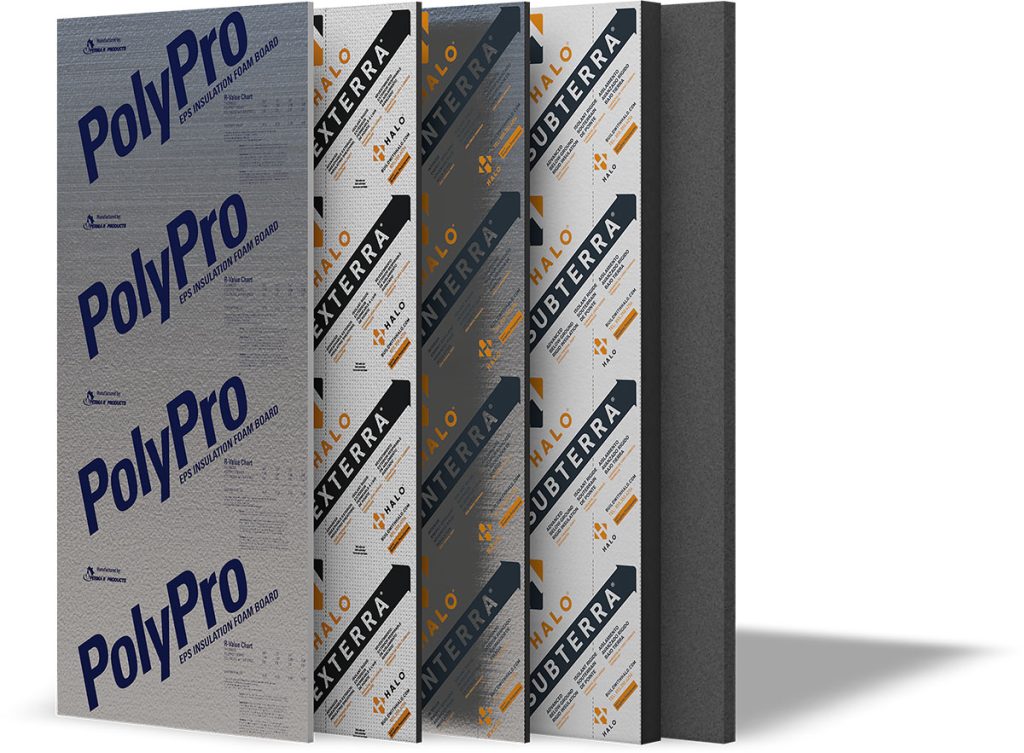
Rigid Foam Insulation: A Simplified Approach to Continuous Insulation
The construction materials market offers an overwhelming variety of insulation options, but continuous insulation can be made simpler by using laminated continuous wall insulation rigid foam boards. These boards offer several advantages over other types of insulation, including higher R-values per inch, low moisture absorption, and superior dimensional stability.
Rigid foam insulation panels are crafted from plastic foam, which is either molded or extruded into boards of varying thicknesses and densities. These panels are known for their high performance in providing thermal resistance, helping to maintain the energy efficiency of the building.
Types of Rigid Foam Insulation
It’s important to recognize that not all rigid foam insulation is the same. There are three primary types used for continuous insulation (CI): expanded polystyrene (EPS), extruded polystyrene (XPS), and polyisocyanurate (polyiso). Each material has its own set of advantages and considerations depending on the application, desired performance, cost, and environmental impact.
Here’s a brief overview:
- Expanded Polystyrene (EPS): Known for its affordability and versatility, EPS offers reliable insulation with a consistent R-value. It is lightweight, easy to install, and provides excellent moisture resistance. Perma “R” specializes in high-quality EPS rigid foam insulation products.
- Extruded Polystyrene (XPS): XPS is known for its slightly higher R-value per inch and better water resistance compared to EPS, though it can be more expensive.
- Polyisocyanurate (Polyiso): This type of insulation provides the highest R-value per inch but can be less effective at lower temperatures.
Selecting the Right Rigid Foam Insulation
Choosing the right rigid foam board for your project depends on several factors, including your building’s location, climate, and energy performance goals. Here are three simple questions to help you decide:
- What is your target R-value?
Determine the level of thermal resistance needed to meet local building codes and energy efficiency goals. - Will the building be exposed to moisture or extreme weather?
Consider how the insulation will handle moisture exposure and thermal expansion in your specific climate. - What is your budget?
EPS foam offers excellent performance at a lower cost, while advanced materials like Halo GPS may be worth the investment for higher efficiency and thinner applications.
Perma “R” Products’ Rigid Foam Insulation Solutions
For more than 40 years, Perma “R” Products has specialized in the production of EPS rigid foam products, serving various sectors of the construction industry. Our high-performance insulation products are specifically engineered to provide the energy efficiency, durability, and ease of installation that today’s builders demand. Below are two of our standout products that can help you achieve continuous insulation in your next project.
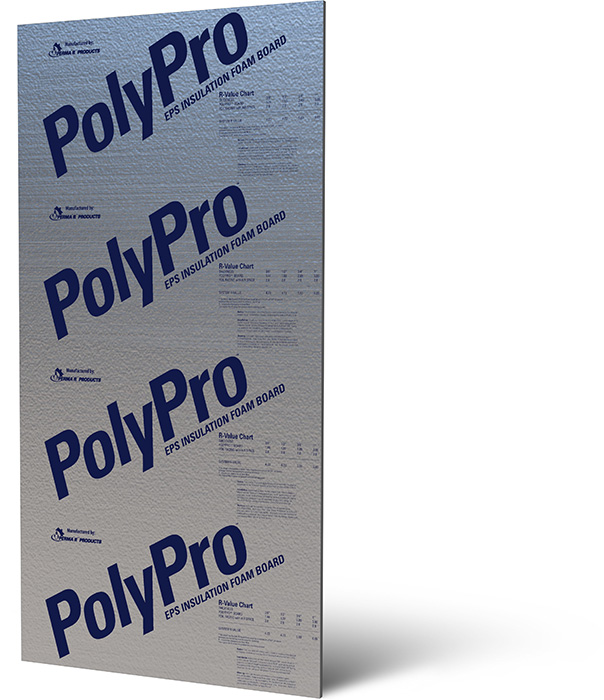
1. PolyPro EPS Rigid Foam Insulation
PolyPro EPS is an industry-leading expanded polystyrene (EPS) rigid foam board. It is lightweight, cost-effective, and offers a high R-value per inch, making it ideal for a wide range of applications, including wall, roof, and foundation insulation.
- Key Features:
- Excellent thermal performance, ensuring energy efficiency.
- Water-resistant properties, helping to protect the building envelope from moisture intrusion.
- Lightweight and easy to handle, reducing installation time.
- Versatile applications for both residential and commercial buildings.
PolyPro EPS is an excellent choice for builders seeking an affordable, reliable insulation solution that meets modern building code requirements while providing long-lasting performance.
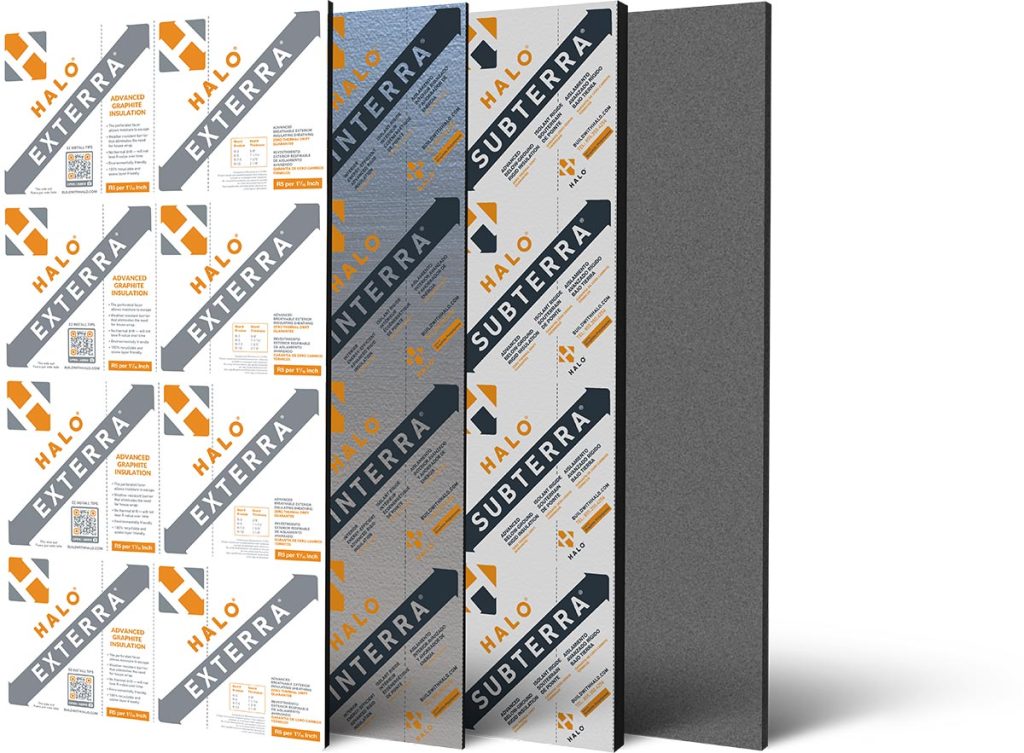
2. Halo GPS Rigid Insulation Board
Halo GPS (Graphite Polystyrene) rigid insulation board takes EPS insulation to the next level. By incorporating graphite particles, Halo GPS enhances the thermal resistance of the material, providing an even higher R-value than traditional EPS boards. This innovation allows builders to use thinner panels without sacrificing performance, making it a space-efficient solution for continuous insulation.
- Key Features:
- Superior thermal performance due to the inclusion of graphite, offering up to 18% higher R-value than standard EPS.
- Excellent moisture management properties to ensure long-term durability.
- Increased energy efficiency while maintaining a lightweight profile.
- Sustainable insulation solution with a lower environmental impact.
The Halo GPS rigid insulation board is perfect for builders looking for top-tier thermal protection with a minimal environmental footprint. Its advanced technology makes it a go-to choice for high-performance continuous insulation systems.
Conclusion
At Perma “R” Products, we are committed to providing top-quality continuous insulation solutions that simplify the building process and enhance building performance. Whether you’re looking for a cost-effective option like PolyPro EPSor an advanced solution like Halo GPS, we have the products and expertise to meet your needs.
If you’d like more information on our rigid foam insulation boards, including samples, pricing, or minimum orders, please contact us. Let’s work together to build more energy-efficient, resilient, and durable structures for the future.